

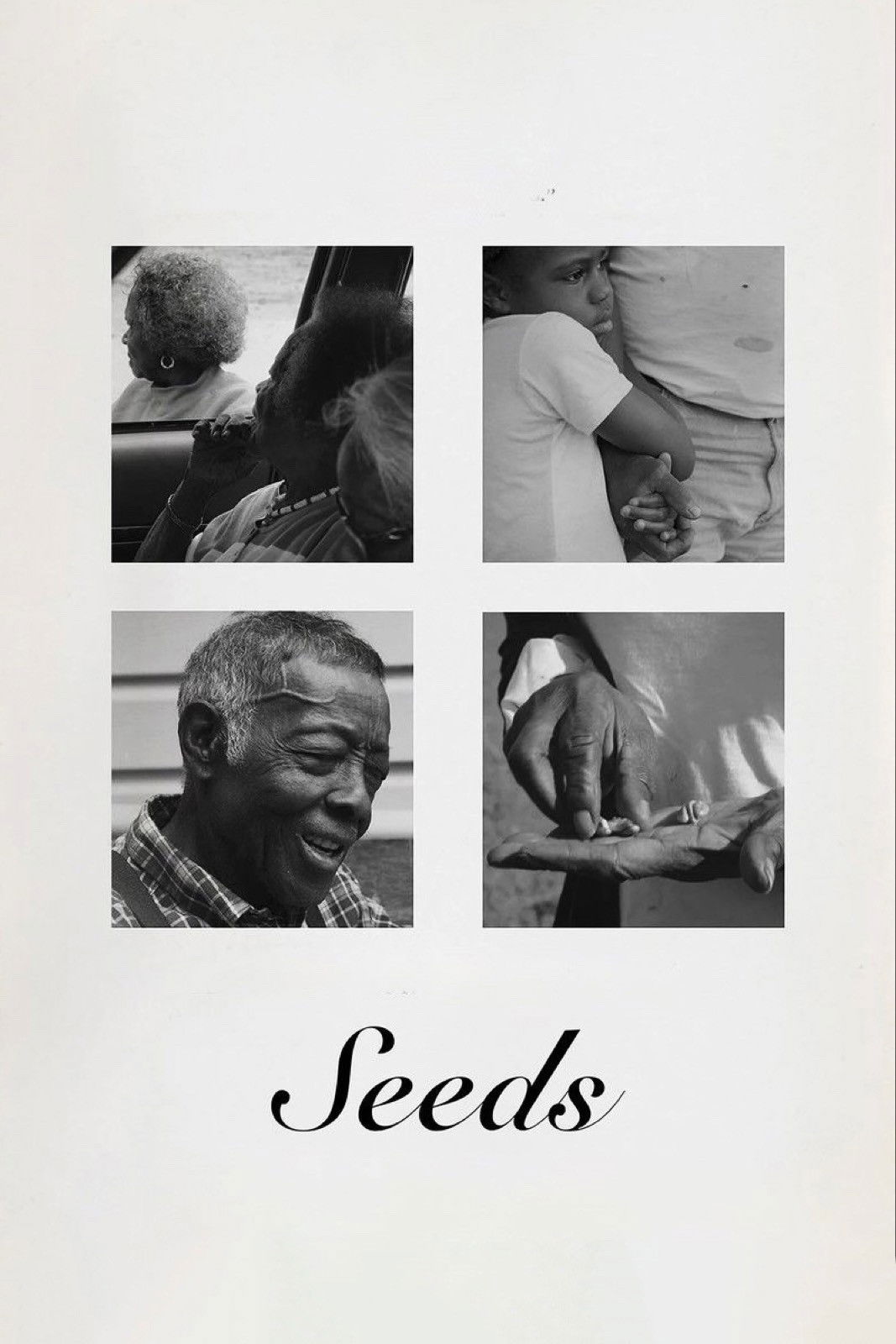
Seeds
- Fri, Jun 19
Director: Brittany Shyne Run Time: 123 min.
TICKETS $15
Doors 6:30 p.m.; Event 7 p.m.
Select Showtime to Purchase Tickets
Click here to learn more about accessibility at the Tomorrow Theater.
THE EXPERIENCE
Join us for a screening of Seeds, an intimate and visually poetic portrait of generations of Black farmers in the American South.
“Seeds is, at the abundant heart of it all, is a work of protest art and political activism through sheer poetry….Attention must be paid. You feel at times like you’re watching a memorial for a way of life that’s in danger of truly going away. More importantly, you feel like your watching life, unfolding its all of glory and sorrow and minutiae and celebratory moments — and its the grace with which Shyne presents all of this that spurs you and moves you. – Rolling Stone
“Lyrical portrait of a way of life which harbors an urgency that’s very much of our moment.” & “A softly sung ballad, handed down from generation to generation.” – New York Times
“A remarkable portrait of America’s oldest Black farmers and the resilience they exhibit…an incredibly rewarding journey, a film indebted to the past that feels brilliantly alive.” – Indie Wire
ON SCREEN: Seeds
2025. Directed by Brittany Shyne. Runtime: 2 hours 3 minutes.
Interweaving the stories of three Black generational farmers to create a collective and intimate portrait of farming today, SEEDS is a moving and powerful exploration of their lives, joys and struggles as well as the fragility of legacy and owning land.
With remarkable intimacy, the film documents their everyday lives—cotton harvesting, chasing cows, dealing with broken machinery, and financial precarities. The camera relishes simple moments—conversations through car windows, candy from grandma’s purse as it captures moments of warmth, joy, and fulfillment—turning them into striking vignettes that honor the families’ connection to the land and each other.
But the sobering reality underscores the urgency of their story. Black farmers owned 16 million acres of land in 1910, but today, that number has dwindled to a fraction. The farmers in the community struggle to access funding that white farmers nearby seem to secure with ease.
Through these inter-generational stories, we see the cycles of inequity and embedded racism that persist to this present day, and the signs of hope and renewal with younger generations of farmers. SEEDS emphasizes how human beings are innately tied to our foundational roots, roots which carry our ancestral memories—somber, bitter, and sweet.